

You’re not the only one who wants to test before committing
If you’re hesitating between requesting a sample, ordering a small batch, or just going straight for a full production run — you’re in good company. Whether you call it a trial order, a pilot batch, or just "starting small," this hesitation shows up constantly in real video brochure inquiries, and it’s rarely about price alone. It’s about wanting to see and hold the product before putting a real budget behind it.
One UK buyer, evaluating screen options for an industrial application, kept the first order deliberately small:
"Can I order 3 of the 7" and 3 of the 10" screens."
Six units, two sizes, no commitment beyond figuring out which screen actually fit the use case. That’s not an unusual way to start — it’s one of the most common patterns in how buyers approach this product.

What "starting small" actually looks like
Not every buyer starts small the same way, and the differences matter.
Some buyers test multiple specs side by side. Rather than picking one screen size and hoping it’s right, they order a small quantity across two or three options — like the example above — to compare in person before locking in a direction for a larger order.
Some buyers request a single sample before any quantity discussion. This is the most cautious entry point: confirm the product looks and feels right, then start talking numbers.
Some buyers go straight to a quote at multiple quantity tiers. Rather than ordering a tiny trial batch, they ask for pricing across a spread — say 25, 50, 75, and 100 pieces — so they can see how the per-unit cost changes before deciding how far to commit. One real estate buyer put it plainly:
"I want to start small and test them out. Can you quote both sizes at qty of 25-50-75-100."
This is a different kind of caution than the 3-piece sample order — it’s not about testing the product itself, it’s about testing the economics of different commitment levels before choosing one.
Some buyers skip the small-batch stage entirely, especially when they already know the format from a previous purchase or a colleague’s recommendation. A request for 250 pieces of a video greeting card, with no sample stage mentioned, is a real and normal way to start too — not every buyer needs to test small first.
Why this hesitation is reasonable, not indecisive
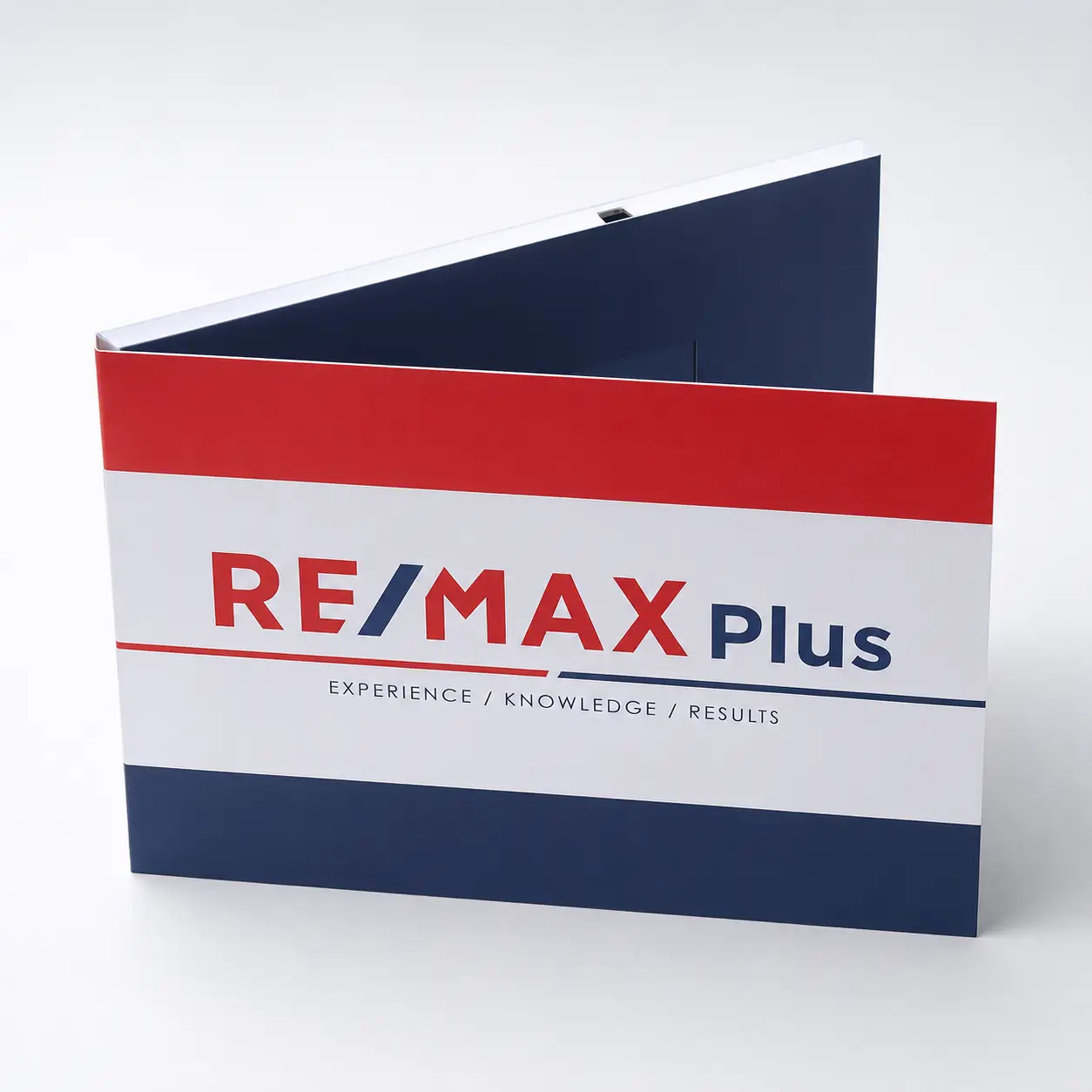
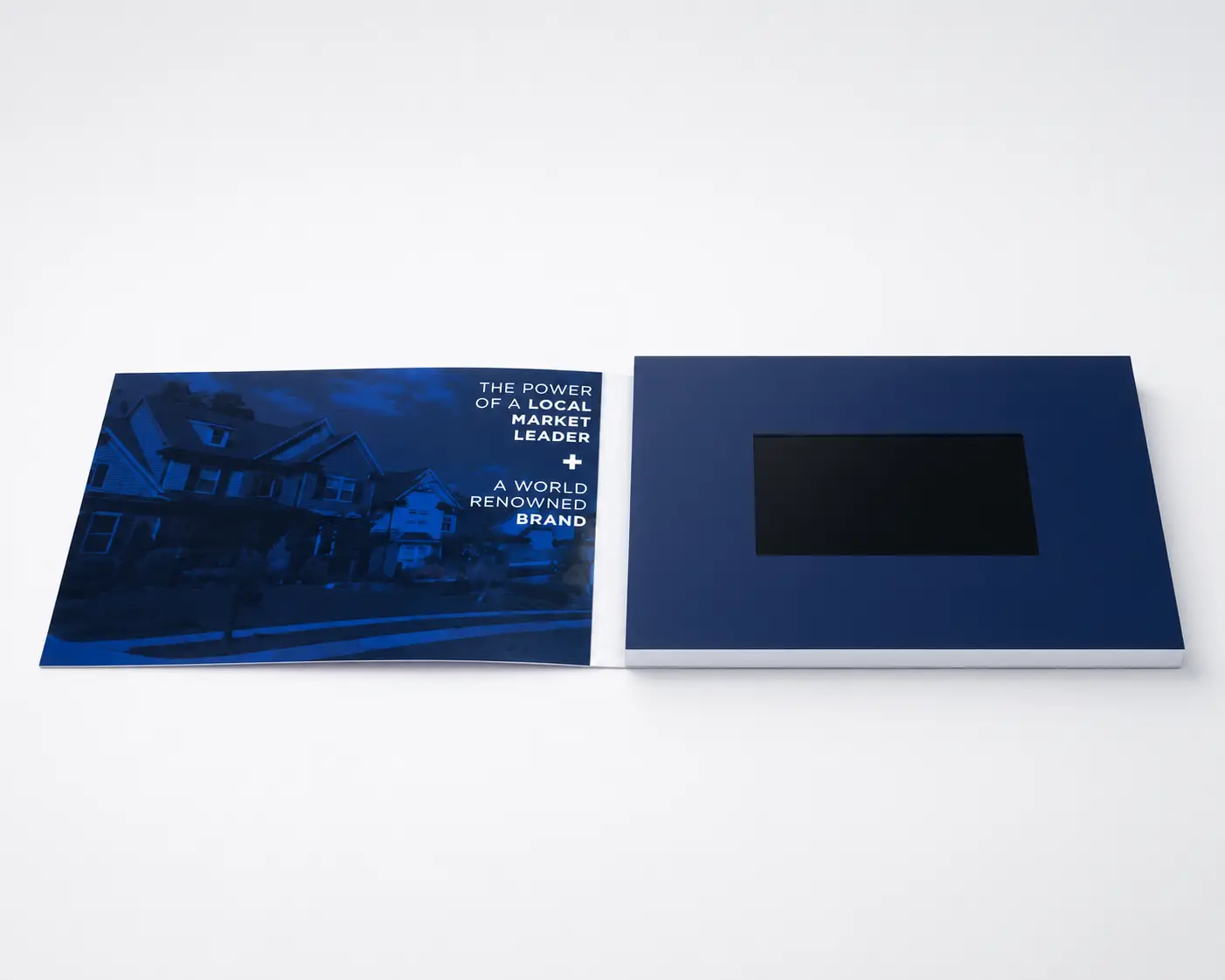
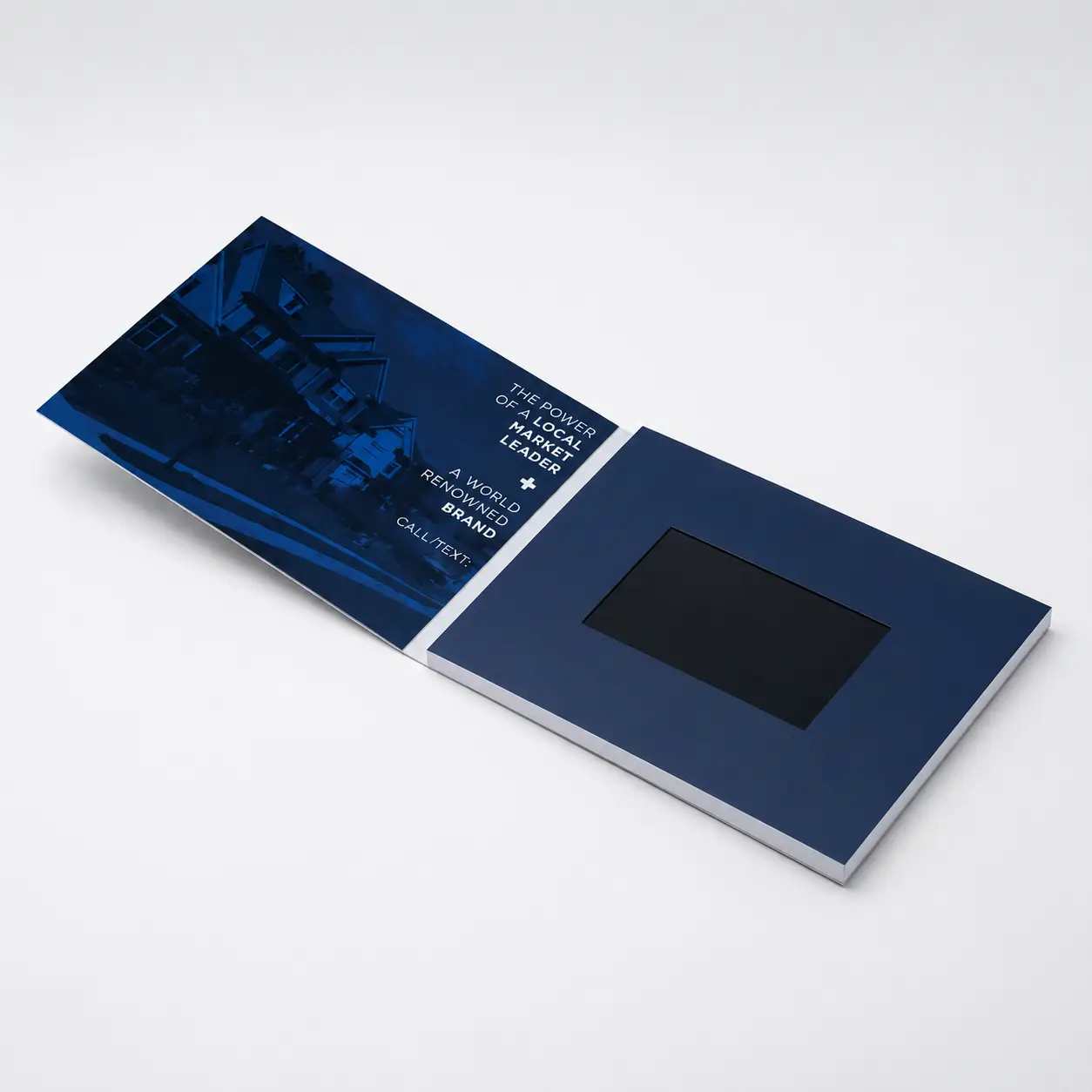
A video brochure isn’t a commodity item buyers can picture from a spec sheet. Screen brightness, print finish, and how a video actually looks and plays on a small embedded screen are things people generally want to experience firsthand before deciding on a print run. That’s true whether the order is for a real estate listing campaign, a corporate gifting program, or a retail display project.1
This is also why "starting small" doesn’t mean the same thing to every buyer. For some, it’s a 3-to-6-piece comparison of specs. For others, it’s requesting full pricing tiers from 25 pieces up to 100, to understand the cost curve before committing to a number. Both are legitimate ways of doing the same thing: reducing risk before spending more.
What changes once buyers move past the first order
Across repeat-buyer conversations, a common theme shows up: buyers who have already ordered once tend to think differently about quantity the second time around. One returning buyer, deciding between reordering at the same level or increasing the next order, explained the trade-off directly:
"If we burn through an initial run quickly of 100, the ~30-day reorder turnaround could leave us short at a critical moment, so it may make more sense to front-load the quantity now."
This is a meaningfully different kind of decision than the first order. The first order is about validating the product. The second and third orders are about managing lead time, reorder risk, and per-unit cost — a logistics decision, not a trust decision.2 It’s worth keeping in mind if you’re a first-time buyer wondering whether you’ll be stuck restarting the whole evaluation process on your next order: you won’t. The questions simply change.
What we can responsibly say — and what we can’t
It’s tempting to draw a clean line from "small test order" to "large repeat order" and call it a predictable path every buyer follows. Based on what’s actually visible in buyer communications, that would be overstating it. What we can say is narrower, but more honest:
- Buyers commonly start with a small quantity — anywhere from a handful of units to a multi-tier quote — before committing to a larger run.
- The reasons for starting small vary: comparing specs, confirming finish quality, or simply understanding pricing at different volumes.
- Buyers who do return tend to face a different decision than first-timers — less about trust, more about reorder timing and cost.
What we can’t responsibly claim is a fixed formula — that a specific quantity is "the" trial size, or that crossing some particular threshold reliably predicts a repeat order.3 Buyer behavior is varied enough that any single number presented as a rule would be more confident than the evidence supports.
If you’re deciding how to start
There’s no single correct entry point. A few honest guidelines, based on what tends to work for different goals:
If you’re unsure which screen size or spec is right, a small multi-option order — a few units across two or three configurations — tends to be more useful than one larger order of a single spec you haven’t compared against anything.
If you already know the spec but want to understand cost before scaling, asking for a tiered quote across several quantities (rather than guessing at one number) gives you the clearest picture before you commit.
If you’ve ordered this exact format before, you’re generally past the evaluation stage — the more relevant questions become lead time, reorder timing, and whether to front-load a larger quantity to avoid a gap between orders.
Whichever stage you’re at, a supplier who’s used to fielding small first orders shouldn’t make you feel like you need to justify starting small. If anything, it’s the more common way most buyers begin.
Final note
Starting small isn’t a sign of hesitation — it’s a reasonable way to reduce risk before committing a real budget. What matters more than the size of your first order is how clearly you can evaluate it: did the screen and print quality meet expectations, did the video play the way you expected, and do you have enough information to make the next decision with confidence.4 Get those answers, and scaling up becomes a much easier call.
Related pages
For real estate-specific guidance on getting started, see real estate video brochures. For full pricing across quantities and screen sizes, see our pricing guide.
-
Examples reference real estate, corporate gifting, and retail display use cases based on actual inquiry patterns; other industries follow similar evaluation behavior even where not explicitly quoted here. ↩
-
Quoted buyer language reflects real inquiries received by CheerTrend; identifying details have been omitted or generalized. ↩
-
Quantity patterns described here are observed tendencies, not fixed rules — actual starting quantities vary by buyer, industry, and use case. ↩
-
The reorder example reflects one buyer’s stated reasoning about lead time and cost; it should not be read as a universal rule for when to increase order size. ↩