

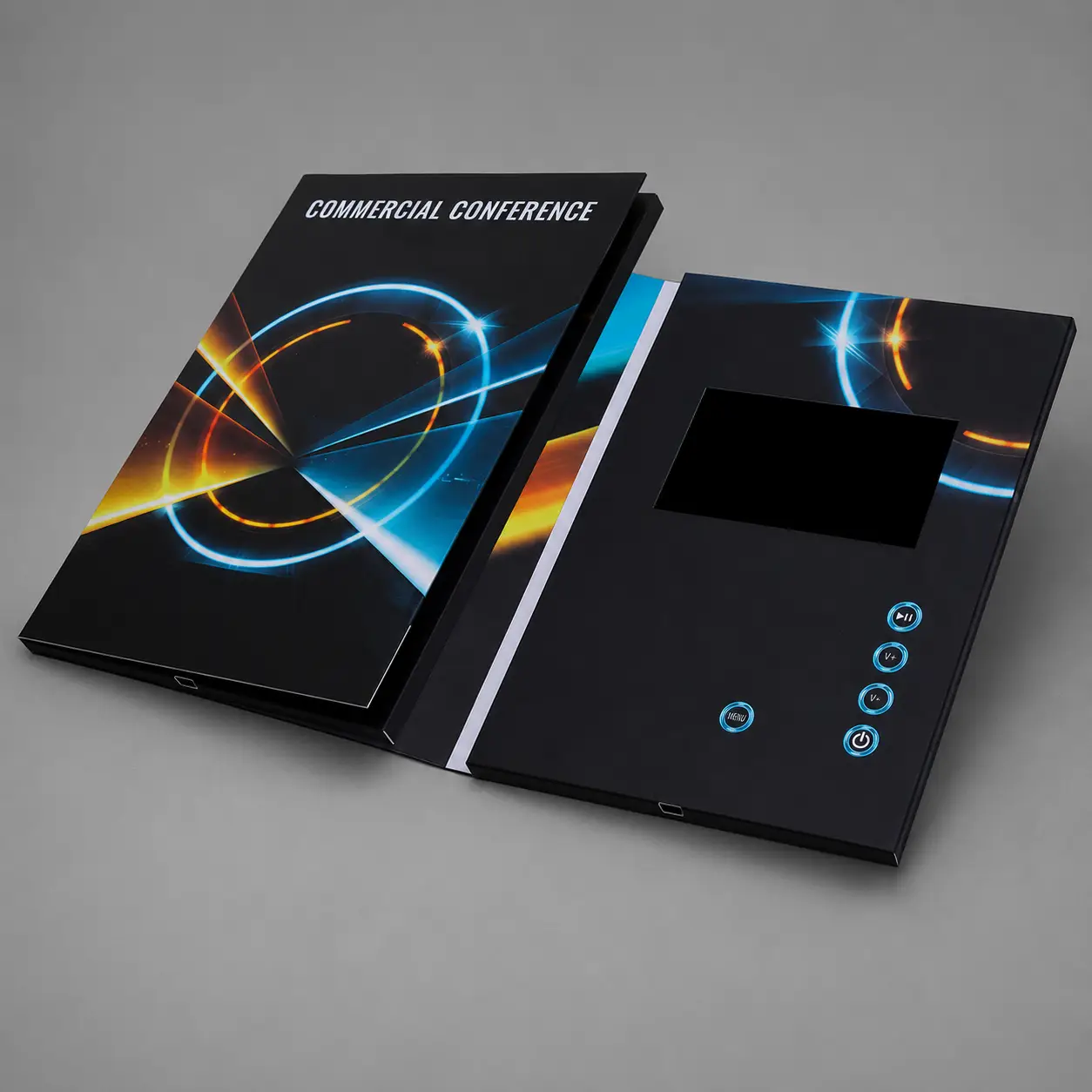
I often get asked whether an IPS screen is really worth the extra cost compared with a TFT screen in video brochures.
IPS screens generally offer wider viewing angles, more accurate colors, and better contrast, while TFT screens are budget-friendly but can distort visuals when viewed from the side.
Let me walk you through the practical differences, real-world scenarios, and my recommendations so you can choose the right screen for your project.
How can I tell if my video brochure will look better with IPS than TFT?
I often see buyers confused between screen types and unsure whether their video will look professional.
IPS screens ensure everyone sees consistent colors and brightness, while TFT screens may look washed-out or dark for viewers sitting off-center.
| Feature | TFT | IPS |
|---|---|---|
| Viewing Angle | Narrow | Wide (up to 178°) |
| Color Accuracy | Good | Better |
| Contrast | Average | Higher |
| Side Viewing | Color Shift | Stable |
| Cost | Lower | Higher |
| Best For | Internal Use | Client Presentations |
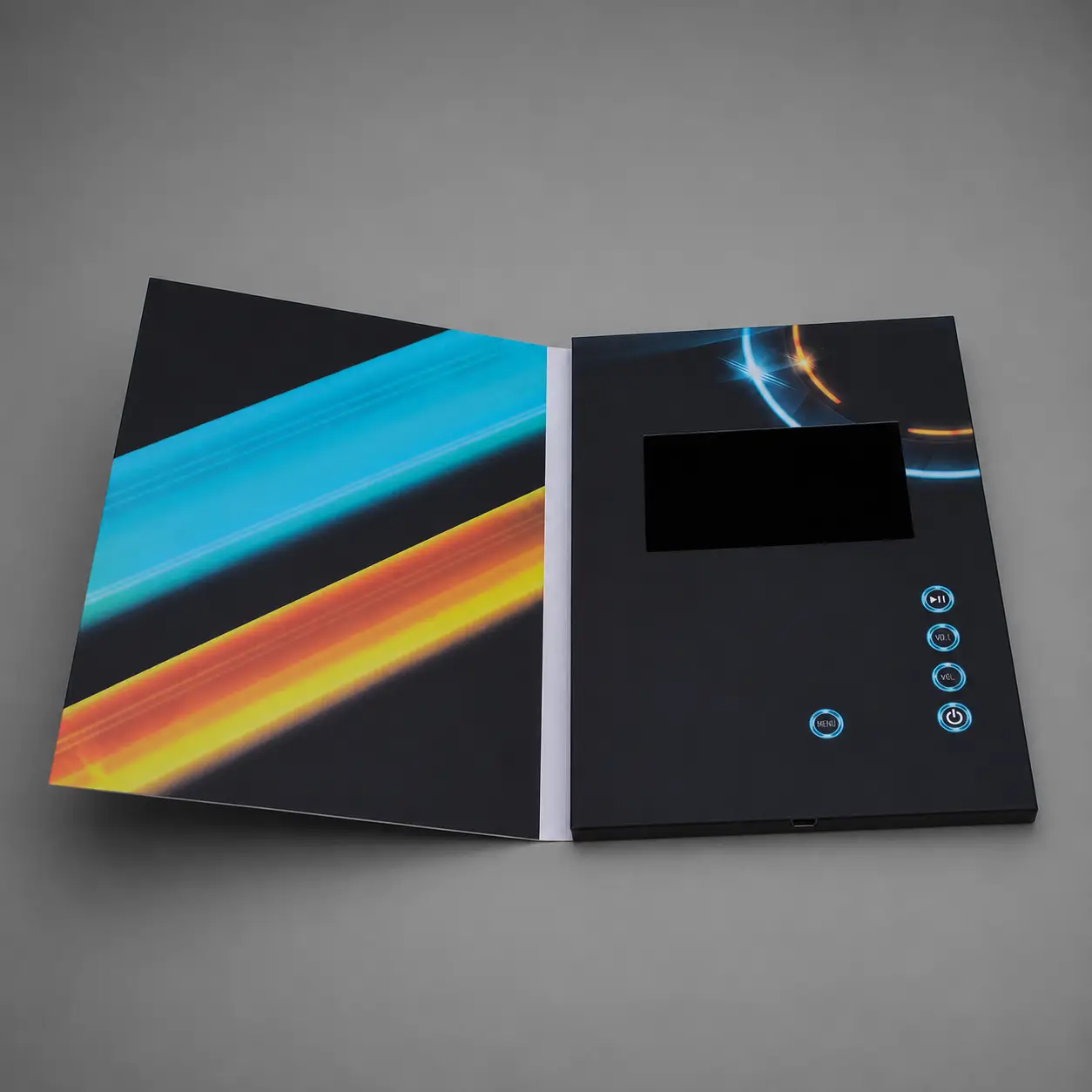
When comparing IPS and TFT, I first consider how many people will view the brochure simultaneously. In real estate presentations, multiple clients usually watch at once. TFT screens can produce color shifts, washed-out highlights, and reduced contrast for viewers not directly in front1, while IPS screens maintain image fidelity and brightness across wide angles2. For medical device demonstrations and luxury product launches, color accuracy is crucial. Bright exhibition spaces or rooms with multiple viewers favor IPS for consistent presentation quality. TFT may suffice for internal training or low-stakes campaigns, but IPS guarantees that every viewer sees the intended image. Most buyers focus on resolution, but I always emphasize viewing experience first—it directly impacts client perception and project success.
How do viewing angles affect my client’s experience during presentations?
I’ve seen presentations compromised when side viewers could not see the correct colors on a TFT screen.
Viewing angles determine how consistent colors and contrast appear; IPS preserves quality at wide angles, TFT often does not.
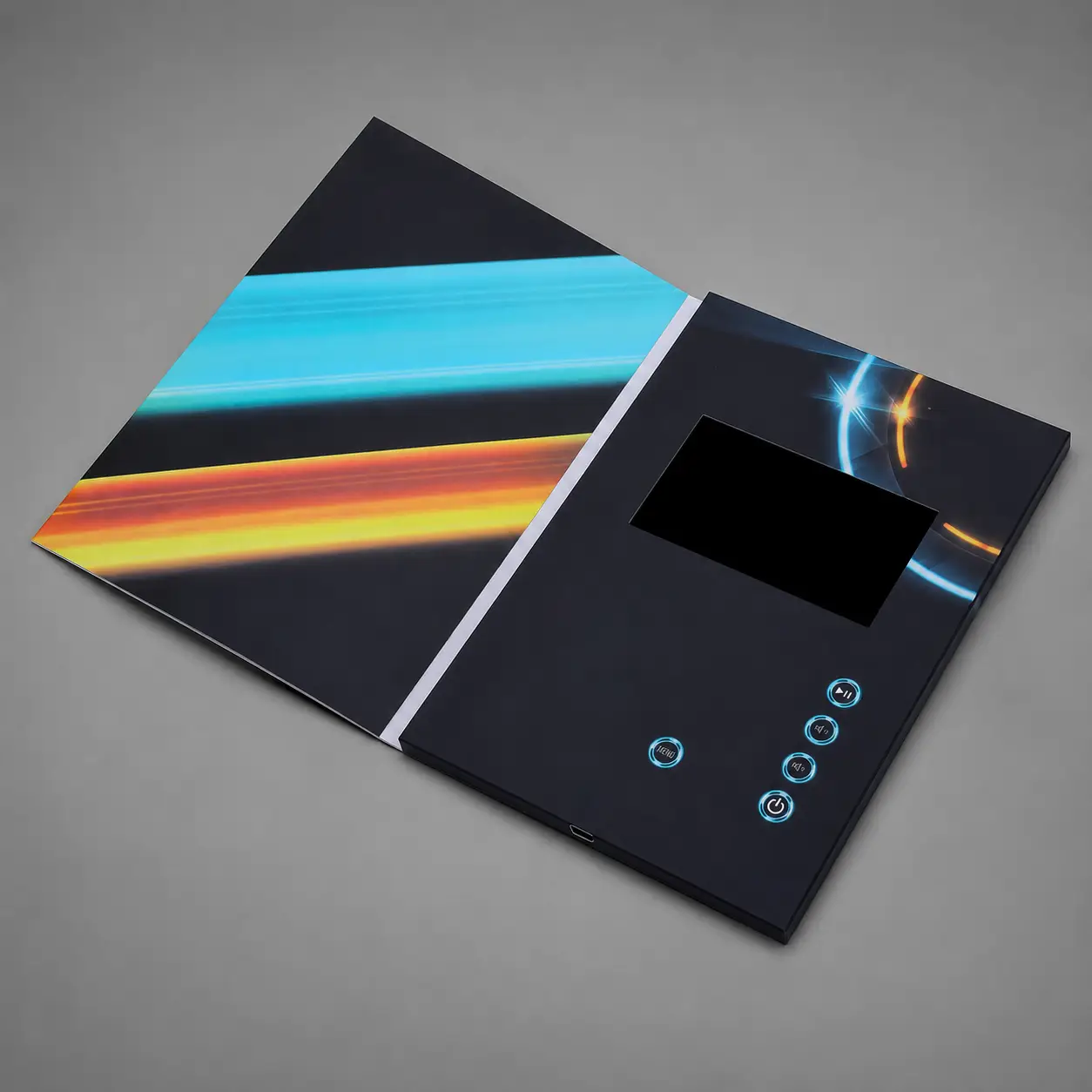
Viewing angle is critical in professional presentations. TFT screens often fail from side angles: brightness drops, colors wash out, and sometimes inversion occurs1. IPS panels, by contrast, maintain contrast, brightness, and color up to 178°2. This is essential when clients or executives are seated at different positions around a table or in a showroom. For marketing agencies, it means every client sees the same high-quality image, no matter where they sit. In trade shows or product demos, IPS ensures visuals remain professional. TFT screens may suffice for single-viewer internal demos, but any client-facing campaign benefits from IPS to avoid misrepresentation and loss of perceived quality.
When should I choose TFT instead of IPS for my video brochure?
I sometimes get asked whether TFT can ever be acceptable.
TFT screens can be suitable for budget-focused projects, internal training, or short-term campaigns where wide-angle viewing is less critical.
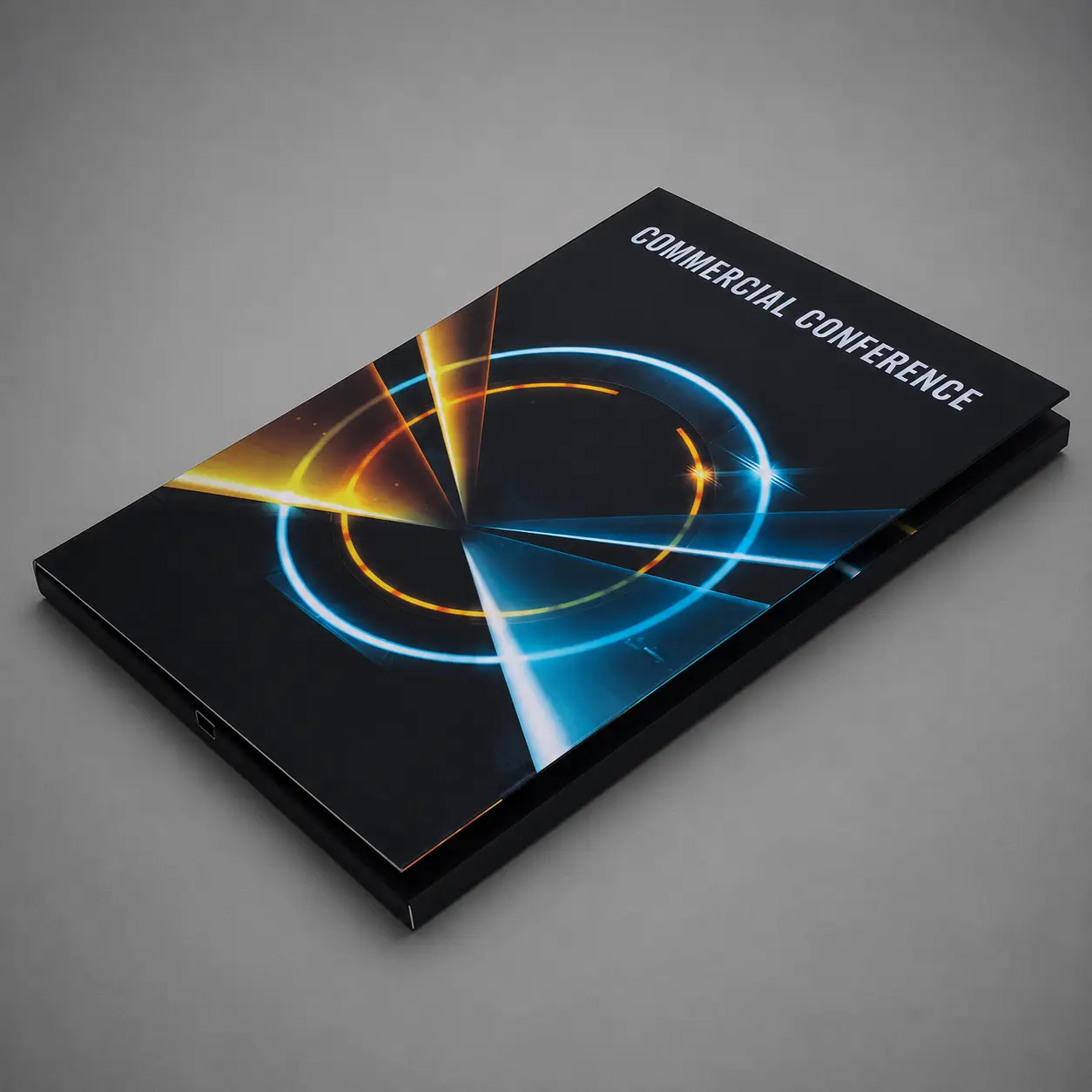
While IPS is ideal for premium presentations, TFT screens still make sense in certain situations. In my experience, large employee training programs and internal communication projects are the most common applications for TFT screens. When a brochure is distributed to individual staff members and viewed one-on-one, the wide-angle advantage of IPS becomes less relevant. I also see TFT used in:
- Employee onboarding programs
- Internal product training
- Dealer training kits
- Large-volume promotional campaigns
- Temporary event handouts
When a brochure is typically viewed by a single person, the key question is not "Which screen is better?" but "How will my brochure actually be used?" For premium, client-facing campaigns, IPS usually wins. For internal or budget-limited projects, TFT is practical and cost-effective.
Is it worth upgrading to IPS for real estate or marketing projects?
I get this question frequently from high-value clients.
Upgrading to IPS is usually worth it for presentations involving multiple viewers or premium marketing campaigns, where color accuracy and wide-angle consistency matter.
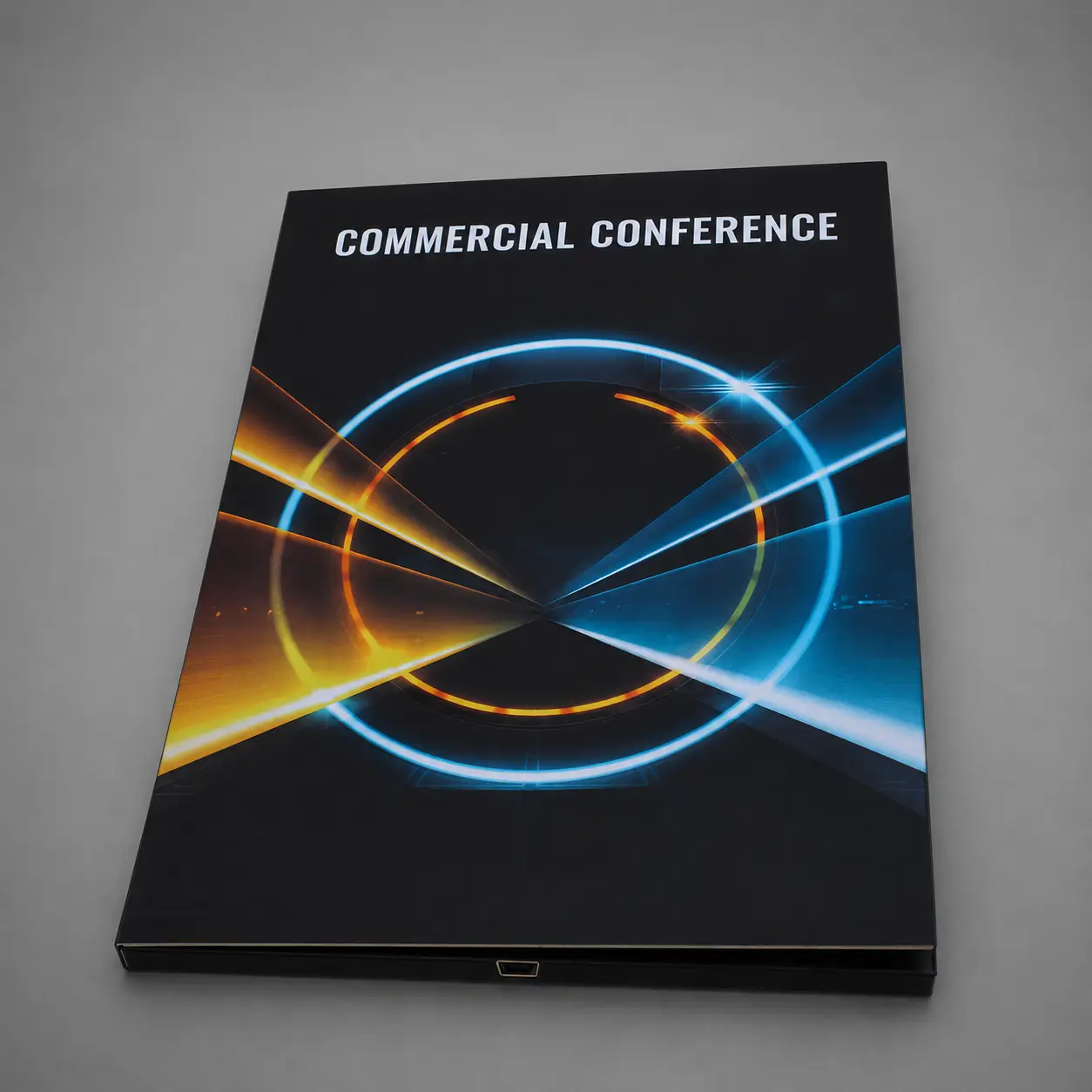
The incremental cost of IPS is often minor relative to total project budgets, but the visual difference is substantial. In real estate marketing, one IPS brochure can elevate a multi-million-dollar property presentation. Marketing agencies use IPS to impress multiple clients simultaneously, conveying professionalism and attention to detail. In product launches or trade shows, IPS ensures accurate representation of colors and contrast3. I often calculate ROI: for client-facing projects, IPS almost always provides higher perceived value, better engagement, and stronger brand impression4. TFT screens remain an option for low-stakes or internal campaigns, but for any presentation that directly impacts client perception, IPS is the safer choice.
What are the key differences in color accuracy and contrast between IPS and TFT?
Many buyers think resolution alone ensures quality, but color and contrast make the real difference.
IPS screens deliver more accurate colors, deeper blacks, and higher contrast, while TFT displays may appear washed-out or inconsistent.
Color fidelity and contrast define perceived quality. IPS panels offer stable colors and contrast across all angles because liquid crystal molecules align parallel to the glass substrate, minimizing light leakage and color shift5. TFT panels, especially lower-cost ones, tend to wash out colors and reduce contrast when viewed off-center1. In medical device demos, small color differences can mislead viewers. At trade shows, poor contrast can make graphics appear flat and unprofessional. Bright environments further highlight IPS advantages. By maintaining accurate color and contrast, IPS ensures every client sees a consistent, professional image. For high-end marketing campaigns, the difference between IPS and TFT can influence brand perception, engagement, and conversions.
Conclusion
IPS screens provide wider viewing angles, more consistent colors, and professional presentation quality. TFT remains useful for budget-friendly or internal projects, but any client-facing campaign benefits from IPS. If you are unsure which screen is right for your project, request side-by-side samples to compare TFT and IPS directly—this is the fastest way to make an informed decision.
-
TFT displays, particularly those using TN (Twisted Nematic) panel technology, are prone to color shift, brightness loss, and contrast inversion when viewed off-axis. ↩ ↩ ↩
-
Most IPS screens support viewing angles up to 178°, ensuring consistent color and contrast even for viewers seated to the side. ↩ ↩
-
IPS (In-Plane Switching) is an LCD panel technology designed to improve color reproduction and viewing angle performance compared with standard TFT displays. ↩
-
In client-facing marketing campaigns, perceived visual quality directly influences brand trust, client engagement, and purchasing decisions. ↩
-
In IPS panels, liquid crystal molecules align parallel to the glass substrate, which reduces light leakage and stabilizes color output across different viewing positions. ↩