

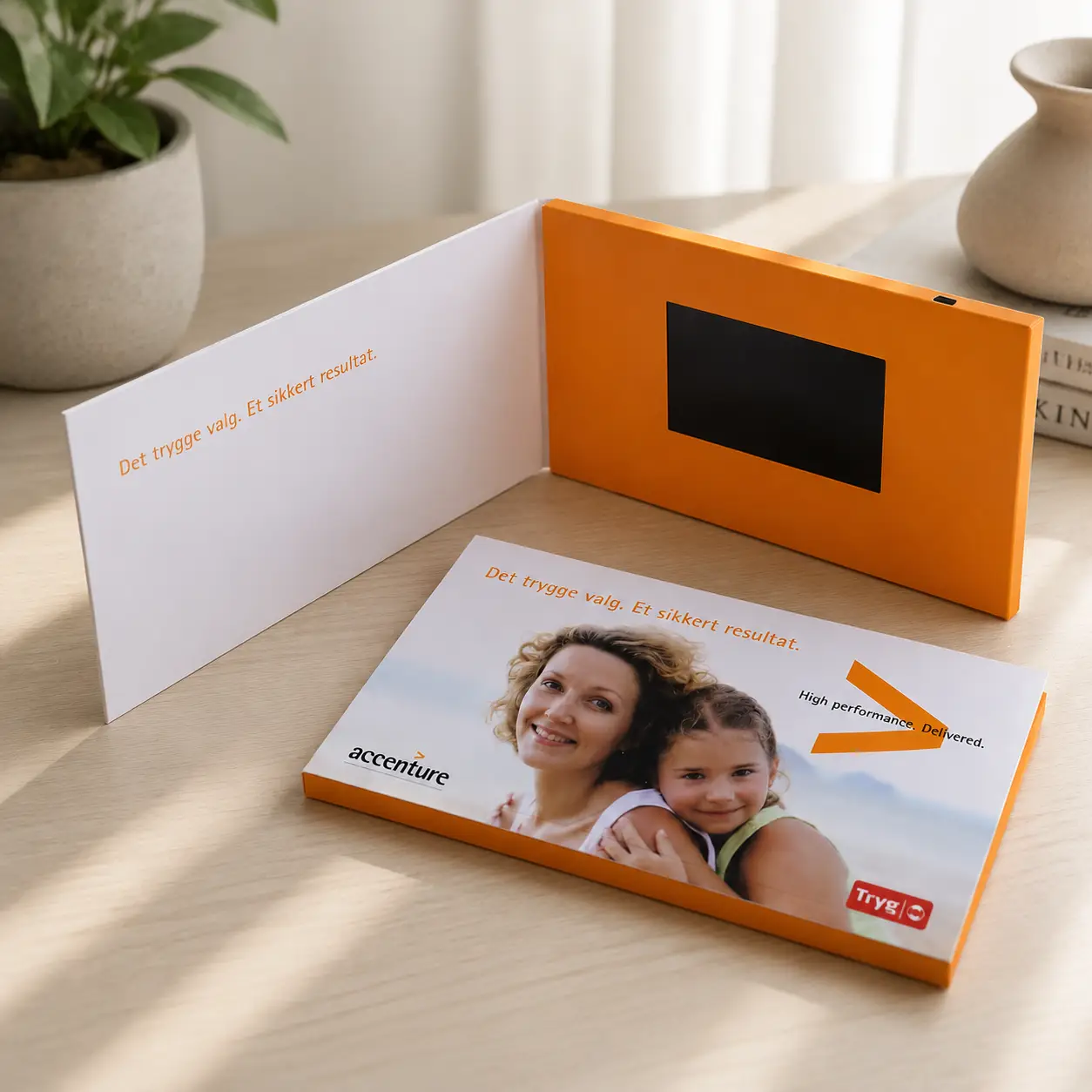
A larger screen can double your shipping cost, but it does not always double your results. I have guided many clients through this decision and seen the same mistakes repeated across industries and budget levels.
For most video brochure projects, a 7-inch screen is the best overall choice because it balances cost, portability, and visual impact. A 5-inch screen works well for direct mail and high-volume campaigns, while a 10.1-inch screen is best for luxury presentations and product launches.
Understanding which size suits your project prevents unnecessary costs and ensures your message is delivered clearly.
How do I choose the right screen size for my marketing campaign?
Selecting the correct screen size begins with identifying your campaign goal. I always ask clients what they want the recipient to experience first.
For most marketing projects, 5-inch and 7-inch screens are the most practical choice. Smaller screens are ideal for direct mail and budget campaigns, while larger screens make a stronger impression in premium presentations and trade shows.
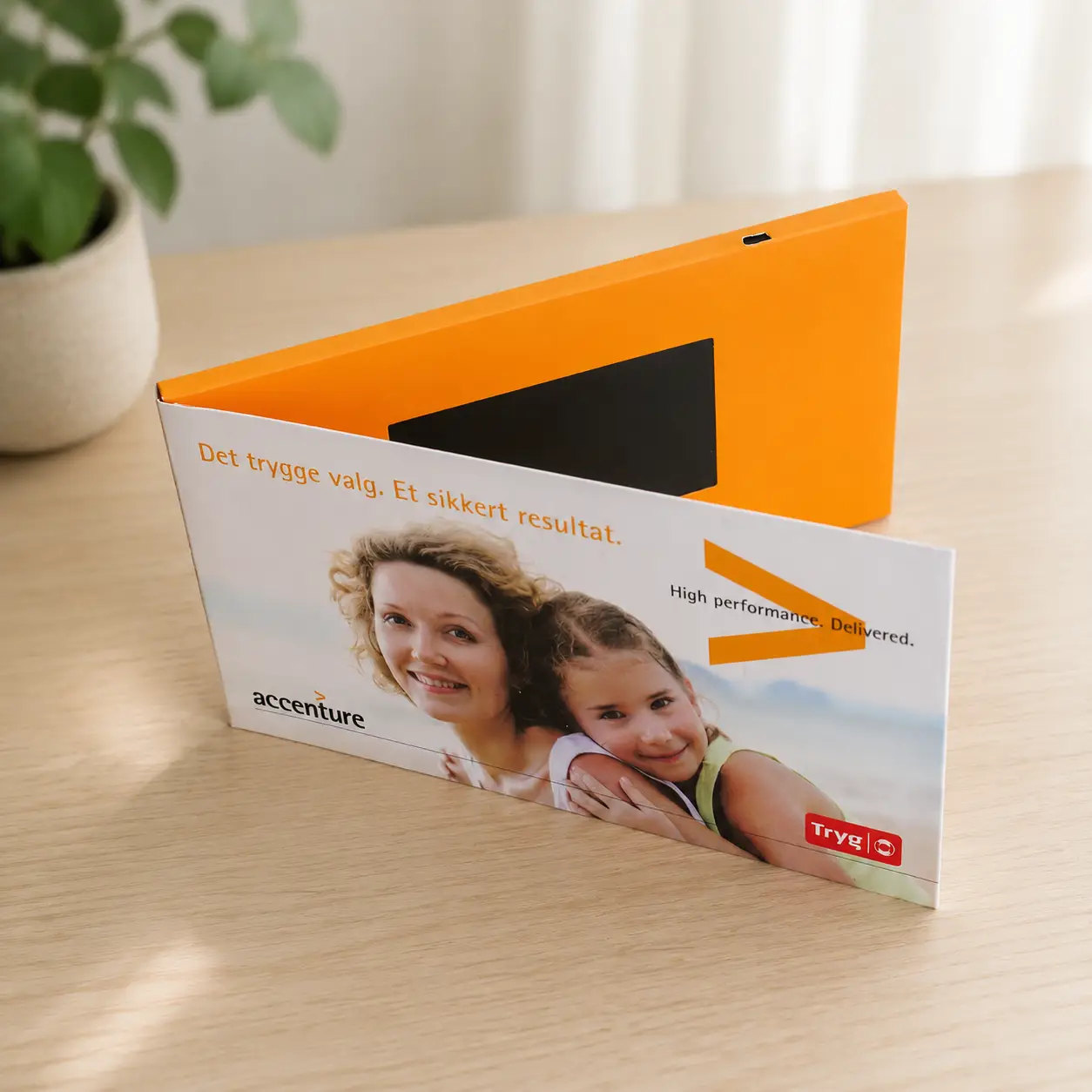
Choosing the right screen is not just about appearance. The screen size also affects packaging dimensions, memory requirements, and shipping costs—factors that can significantly change the total project budget.
Most real estate teams I work with end up choosing 7-inch screens because they want a premium presentation without making the brochure too large for client meetings or direct delivery. When a client includes multiple property videos or floor plan graphics, I sometimes recommend stepping up to 10.1 inches to give the content the space it needs.1
At CheerTrend, the 7-inch format is our most ordered screen size, consistently selected across real estate marketing, B2B sales presentations, and product launch campaigns. It is the size I recommend first when a client has not yet defined a clear preference.
| Marketing Goal | Recommended Screen Size |
|---|---|
| Direct Mail Campaign | 4.3"–5" |
| Sales Presentation | 7" |
| Real Estate Marketing | 7" |
| Product Launch | 7"–10.1" |
| Luxury Brand Campaign | 10.1" |
| Trade Show | 5"–7" |
How does screen size affect shipping cost and campaign budget?
Many buyers assume bigger screens automatically create more impact, but they often overlook the cost and logistics implications that come with larger formats.
Screen size affects more than video clarity. Larger screens increase packaging dimensions, shipping weight, battery requirements, and memory needs. Choosing the appropriate size avoids unnecessary spending while maintaining high visual quality.
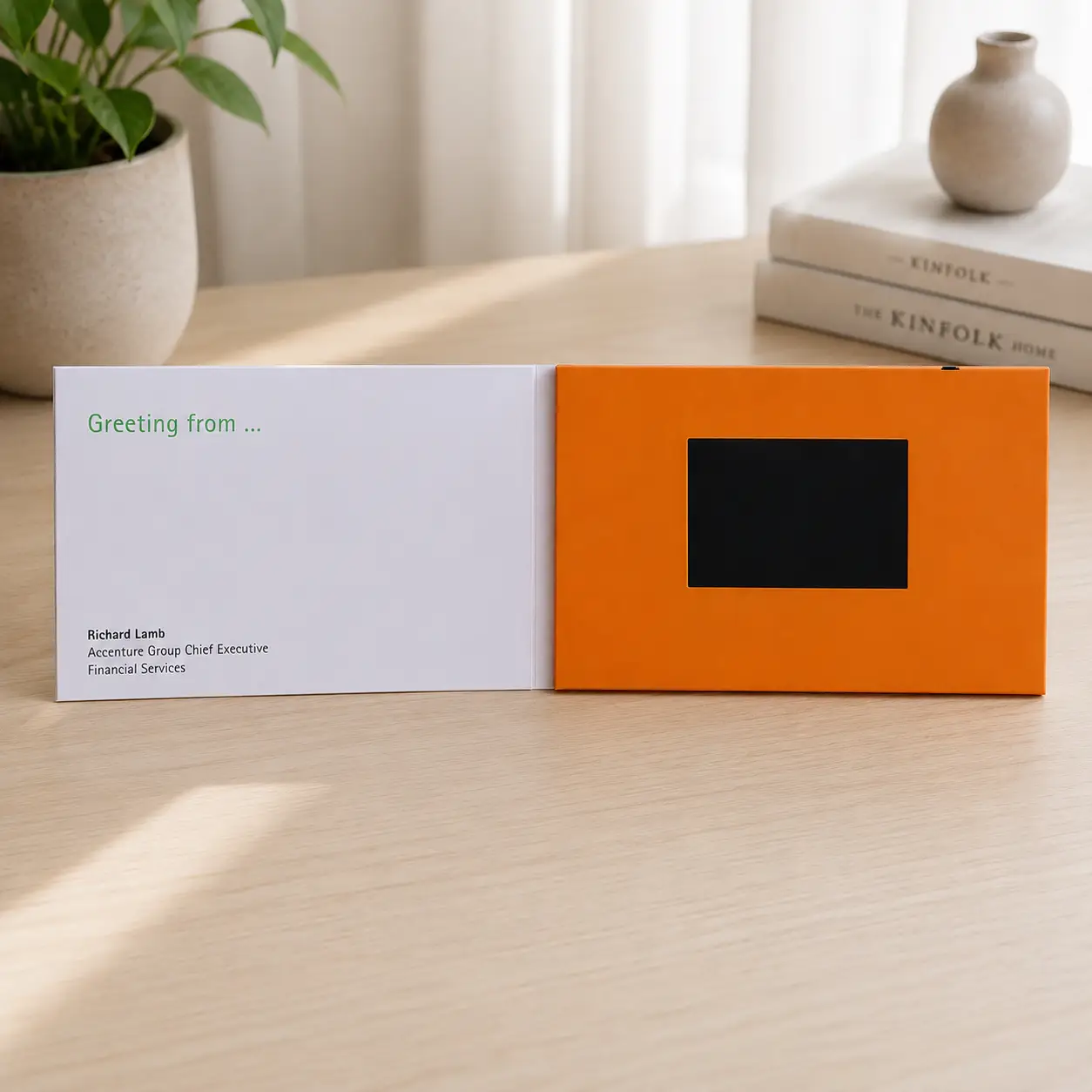
Most buyers start by asking about screen size, but very few ask about overall brochure dimensions. In reality, the physical brochure size—including cover thickness, spine, and packaging—often has a bigger impact on shipping cost than the screen specification alone. A 7-inch screen in a thick hardcover format can ship at a higher cost than a slim 10.1-inch soft-cover design. This is something that only becomes clear after reviewing actual project samples rather than quotations on paper.
One detail that surprises many buyers: in a large number of projects, the final brochure dimensions stay exactly the same even when the screen changes from 4.3 inches to 5 inches. The housing and cover design often remain identical across sizes. This means upgrading the screen does not always mean receiving a physically larger brochure.
A marketing agency once planned a campaign with 1,000 brochures using 10.1-inch screens. When we reviewed the full cost breakdown, shipping alone was nearly double what the 7-inch option would have cost. By switching to a 7-inch format, the client saved thousands of dollars while preserving the visual quality of the presentation. A 10.1-inch brochure shipped to the US can cost roughly twice as much per unit as a 7-inch version for the same quantity—before a single brochure is ever opened.2
Larger screens also require higher-capacity batteries and more onboard memory, both of which increase unit cost. For international campaigns where multiple shipments are involved, these differences accumulate quickly.
| Screen Size | Approx. Shipping Cost (per 100 pcs) | Typical Battery and Memory |
|---|---|---|
| 5" | Low | Standard battery, 128MB–1GB |
| 7" | Medium | 2500–3500mAh, 2–4GB |
| 10.1" | High | 3500–5000mAh, 4–8GB |
Selecting the right screen is ultimately about matching visual impact to campaign efficiency rather than simply choosing the largest display available.
Should I choose a 5-inch, 7-inch, or 10-inch video brochure?
I often receive this question from clients who have already decided to use video brochures but are unsure which size will produce the best results for their specific project.
A 5-inch screen is best for cost-effective campaigns, a 7-inch screen is the strongest all-around option for most B2B projects, and a 10.1-inch screen is ideal for premium presentations where visual impact is the highest priority.
Want detailed specifications and customization options? Explore our 4.3 Inch Video Brochure, 5 Inch Video Brochure, 7 Inch Video Brochure, and 10.1 Inch Video Brochure pages.
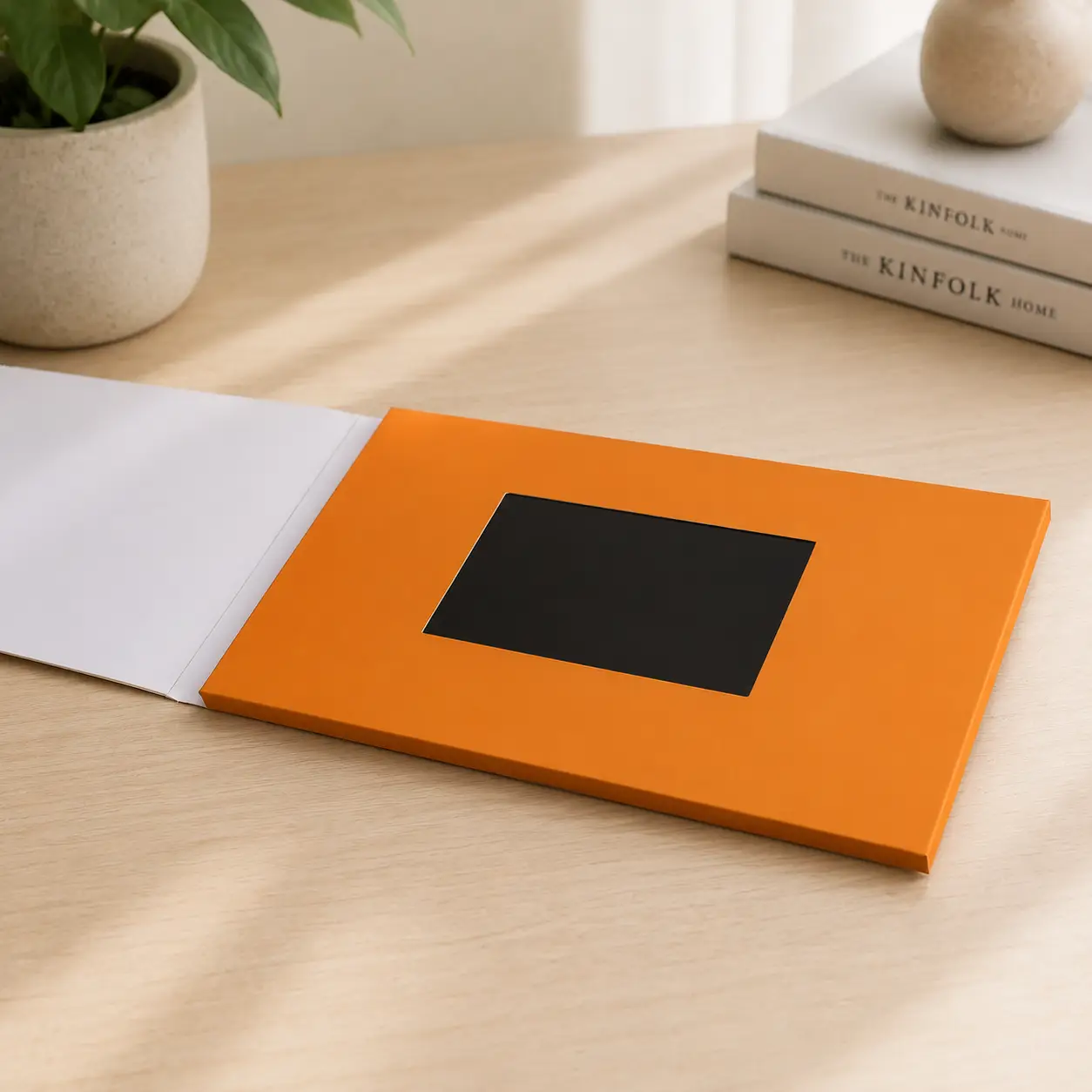
The 5-inch format is practical and versatile. It keeps unit costs and shipping costs low while maintaining good visual clarity, making it the preferred choice for high-volume direct mail campaigns and agency projects that span multiple clients.
The 7-inch format is the option I recommend most frequently. It provides enough screen space for text, graphics, and video without making the brochure too bulky to mail or carry. Real estate teams consistently choose this size because property videos benefit from a larger viewing area, and the format still fits comfortably inside a standard courier envelope.
The 10.1-inch format focuses on impact. Medical device companies often choose this size when they need to present complex product demonstrations containing detailed diagrams, interface walkthroughs, or clinical content that requires clear visibility at a distance.3
| Feature | 5" | 7" | 10.1" |
|---|---|---|---|
| Cost | Lower | Medium | Higher |
| Visual Impact | Good | Very Good | Excellent |
| Portability | Excellent | Good | Moderate |
| Direct Mail Suitability | Excellent | Good | Limited |
| Premium Appearance | Good | Very Good | Excellent |
| Real Estate Use | Good | Excellent | Excellent |
Does a larger screen size always create a better impression?
Many buyers assume that a larger screen automatically creates more impact. In practice, that assumption does not always hold.
While larger screens can improve visual presence, video quality, content clarity, screen technology, and brochure design often have a greater influence on the recipient’s experience than screen size alone.
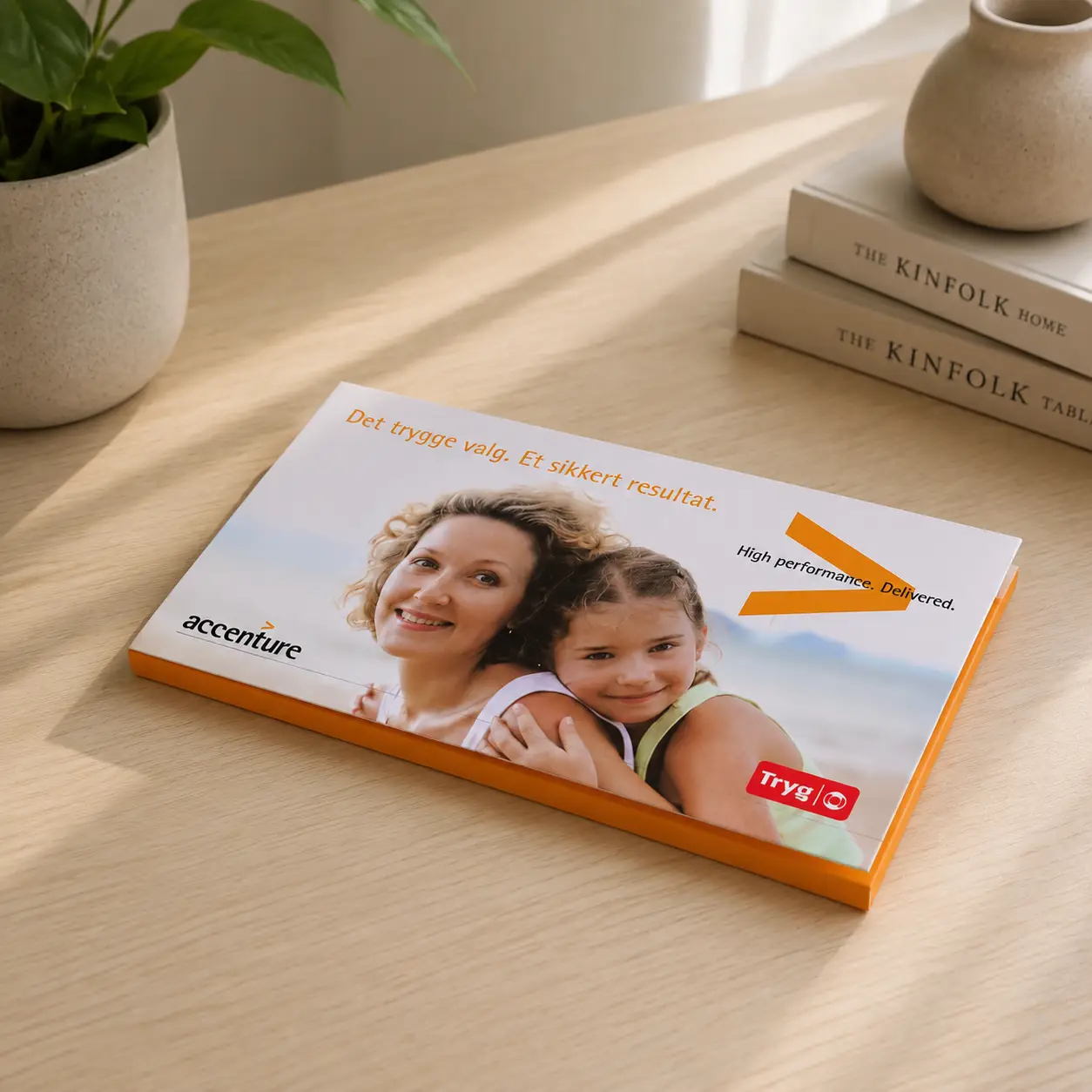
I have seen 5-inch and 7-inch brochures outperform 10.1-inch versions in real campaigns. One example involved two versions of the same property campaign tested with different buyer segments. The 7-inch version achieved comparable engagement to the 10.1-inch version at roughly half the total project cost. Recipients commented on the video quality and design rather than the physical size of the screen.4
Buyers often respond more strongly to brightness, IPS panel quality, and viewing angle consistency than to screen size alone. A well-calibrated 7-inch IPS screen frequently creates a better viewing experience than a larger screen using a lower-quality TFT panel. Larger screens also introduce practical trade-offs: heavier packaging, higher shipping costs, and more demanding battery and memory requirements that increase unit cost without necessarily improving campaign outcomes.
The most successful projects I have worked on tend to match screen size to campaign objective rather than defaulting to the largest available option. For most B2B applications, that means a 7-inch IPS screen with well-optimized video content and strong print design.5
Quick Reference: Frequently Asked Questions
| Question | Short Answer |
|---|---|
| Is 7-inch the most popular screen size? | Yes, for most B2B projects |
| Does a larger screen always look better? | Not always—content and panel quality often matter more |
| Is 5-inch suitable for direct mail? | Yes, it is the most practical size for high-volume campaigns |
| Does screen size affect shipping cost? | Yes, significantly for international bulk shipments |
| Which size works best for real estate? | 7-inch is the most common choice |
| When does 10.1-inch make sense? | Luxury campaigns, executive presentations, and complex product demos |
Ready to choose a specific size? Browse our detailed product pages for each video brochure screen size.
Conclusion
Screen size is one of the most visible decisions in a video brochure project, but it is rarely the most important one. For most B2B campaigns, a 7-inch screen delivers the strongest balance of cost, portability, and visual impact. Larger screens are worth the investment when the content and audience genuinely require them. Before finalizing your screen size, request physical samples in two or three formats and compare them against your actual video content—the difference is immediately visible in person. In many cases, seeing a 5-inch and 7-inch sample side by side makes the decision much easier than comparing specifications on a quotation sheet.
If you are unsure whether a 5-inch, 7-inch, or 10.1-inch screen is the best fit for your project, feel free to contact me. I can usually recommend the right screen size after reviewing your video content, quantity, budget, and campaign goals.
-
Screen size recommendations depend on video length, content complexity, and presentation environment. ↩
-
Shipping cost differences vary by destination, courier, and packaging design. The estimate reflects typical international DDP shipments. ↩
-
Medical device and technology companies frequently require larger screens to present detailed product interfaces and clinical content clearly. ↩
-
Campaign performance depends on content quality, design, distribution method, and audience targeting in addition to screen size. ↩
-
IPS panels provide viewing angles up to 178° and more consistent color reproduction than standard TFT displays across all screen sizes. ↩